Welcome to 
Who we are? Bioinformatics & Drug Design group [BIDD] is a research group based in Department of Pharmacy, Faculty of Science, National University of Singapore. Our group is active in computer-aided drug design, machine learning, pharmainformatics and cheminformatics, computational biology and bioinformatics, herbal medicine, and art and sciences. What we do? We have been developing computational methods, software tools and databases for drug discovery, target discovery, protein function prediction modeling of biological systems, network descriptor, and biomarker discovery, leading to one US patent, 14 databases, 9 web-based software tools, 3 art and science web-servers, and >250 papers published in such international journals as Nature Reviews Drug Discovery, Natural Biotechnology, PNAS, Natural Product Reports, Cancer Research, Nucleic Acids Research, and Journal of Immunology. Milestones! We pioneered inverse docking method for drug target discovery, developed the popular therapeutic target database, and are among World's first in exploring machine learning methods for protein function prediction, ADME-Tox prediction, target discovery, multi-target virtual screening. Our Alumni! BIDD alumni remain active in academic and research careers as faculty members in TongJi University, XiaMen University, ZheJiang University, Boston University, Mayo Clinic, University of Nebraska, NanJing University, SiChuan University, and National University of Singapore, as senior scientists in NIH, Harvard University, University of Georgia, National University of Singapore, A*Star IMCB and BII, and as PIs in pharmaceutical companies such as Novartis and Merk MSD.

People

Chen Yu Zong, Ph.D.
Tenured Professor
Department of Pharmacy, Faculty of Science
National University of Singapore
Chen Yu Zong is a Tenured Professor in the Department of Pharmacy, Faculty of Science at National University of Singapore and a member of NUS Graduate School for Integrative Sciences and Engineering (NGS). He is the pioneer of 'Inverse Docking' method for drug discovery, the developer of the popular database "Therapeutic Target Database (TTD)", a researcher among World's first in exploring machine learning methods for protein function prediction, ADME-Tox prediction, target discovery, and multi-target virtual screening, the recipient of the Outstanding Scientist Award 2007 (Science Faculty, NUS). His research has led to one US patent, 14 databases, 9 web-based software tools, 3 art and science web-servers, and >250 peer-reviewed publications.
Email: Prof. Chen Yu Zong
Research Profile: Google Scholar

Databases
Bioinformatics Databases
-
Probio: A Database of Probio Functions and Lineages

-
HEROD: Human Ethnic and Regional specific Omics Database

- CLiBE: Computed Ligand Binding Energy
- KDBI: Kinetic Data of Biomolecule Interactions
Pharmainformatics Databases
-
TTD: Therapeutic Target Database

-
CFam: Chemical Families Database

- DART: Drug Adverse Reaction Target
- ADME-Associated Protein
- Therapeutically Relevant Multiple Pathways
- Pathway Crosstalk Database
- Information of Drug Activity Data
- Server for Pharmacophore Information and Mapping
Herbinformatics Databases
-
TCM-ID: Traditional Chinese Medicine Information Database

-
NPASS: Natural Product Activity and Species Source Database

-
CMAUP: Collective Molecular Activities of Useful Plants

Software

A Protein Functional Family Prediction Web-Server
- Predict protein families from sequences irrespective of similarity
- Cover 192 functional protein families
- Prediction accuracy ranges from 87.9% to 99.99%

A Web-Server for Computing Protein Features of Multiple Categories
- Compute Protein Features
- Compute Small Molecule Features
- Compute Protein Structure Features
- Compute Protein-Protein Interaction Pair Features
- Compute Protein-Ligand Interaction Pair Features
- Compute Biological Network Features

A Software for Predicting Targets of Small Molecules
- Predict potential toxic and side effects
- Predict likely therapeutic targets
- Probe synergistic effects of group of molecules
Arts
Exhibit Beauty and Knowledge of Science with High-quality Digital Artworks

Generate Music of Protein Sequences
- Protein sequence as input
- Music file in MIDI format as output

Express the Beauty and Science of Pharmaceuticals
Teaching
- CZ5225: Modeling and Simulation in Biology
- CZ5226: Advanced Bioinformatics
- CZ1103: Introduction to Computational Science
- CZ2106: Simulations
- LSM2104: Essential Bioinformatics and Biocomputing
- LSM3241: Bioinformatics and Biocomputing
- CZ3253: Computer Aided Drug Design
- CZ3272: Monte Carlo and Molecular Dynamics
- CZ4101: Matrix Computations
- CZ4102: High Performance Computing
- CZ4226: Advanced Bioinformatics
- CZ4275: Condensed Matter: Simulation and Computation
- CZ5211: Topics in Computational Biology
- SMA5422: Special Topics in Biotechnology
- Computer Aided Drug Design
- Cross-Department biocomputing lecture and lab sessions
- SMA5233/CZ5206: Particle Methods and Molecular Dynamics
Research
Research Interests
Our research interests are in the areas of Machine Learning-aided Drug Design, Computational Biology and Bioinformatics. These are interdisciplinary areas still in development and grow rapidly along with advances in life science, computational techniques, and computer technology. The objective of our research is to develop innovative software tools and databases to facilitate new drug discovery. We have also been doing basic research in computational biology. Life science is an information intensive science. As a result, computer tools and IT technology are expected to play a key role in the research and development of drugs as well as other fields in biological and medical sciences. This combination of information technology into biotechnology is both challenging and rewarding.
Selected Publications
 Clinical Success of Drug Targets Prospectively Predicted by In Silico Study.
F. Zhu, X.X. Li, S.Y. Yang, Y. Z. Chen. Trends Pharmacol Sci. 39(3): 229-231. (2018).
CellPress
Clinical Success of Drug Targets Prospectively Predicted by In Silico Study.
F. Zhu, X.X. Li, S.Y. Yang, Y. Z. Chen. Trends Pharmacol Sci. 39(3): 229-231. (2018).
CellPress
|
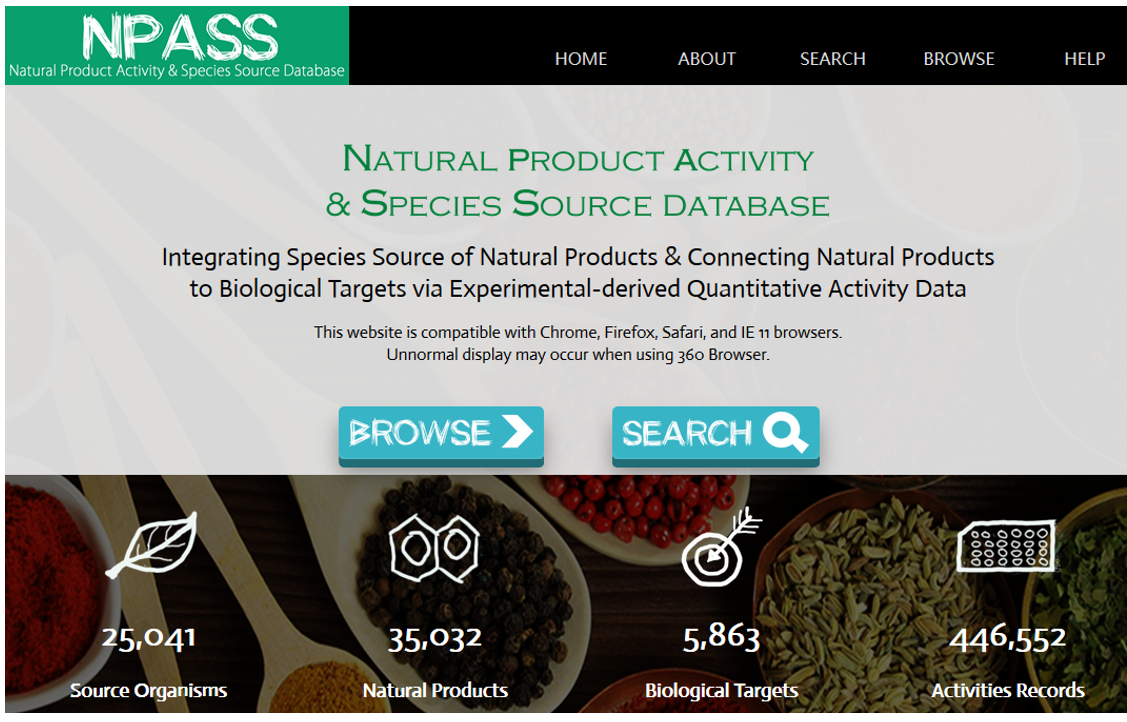 NPASS: natural product activity and species source database for natural product research, discovery and tool development.
X. Zeng, P. Zhang, W.D. He, C. Qin, S.Y. Chen, L. Tao, Y. Tan, D. Gao, B.H. Wang, Z. Chen, W.P. Chen, Y.Y. Jiang, Y.Z. Chen. Nucleic Acids Res. 46(D1):D1217-D1222. (2018).
PubMed
NPASS: natural product activity and species source database for natural product research, discovery and tool development.
X. Zeng, P. Zhang, W.D. He, C. Qin, S.Y. Chen, L. Tao, Y. Tan, D. Gao, B.H. Wang, Z. Chen, W.P. Chen, Y.Y. Jiang, Y.Z. Chen. Nucleic Acids Res. 46(D1):D1217-D1222. (2018).
PubMed
|
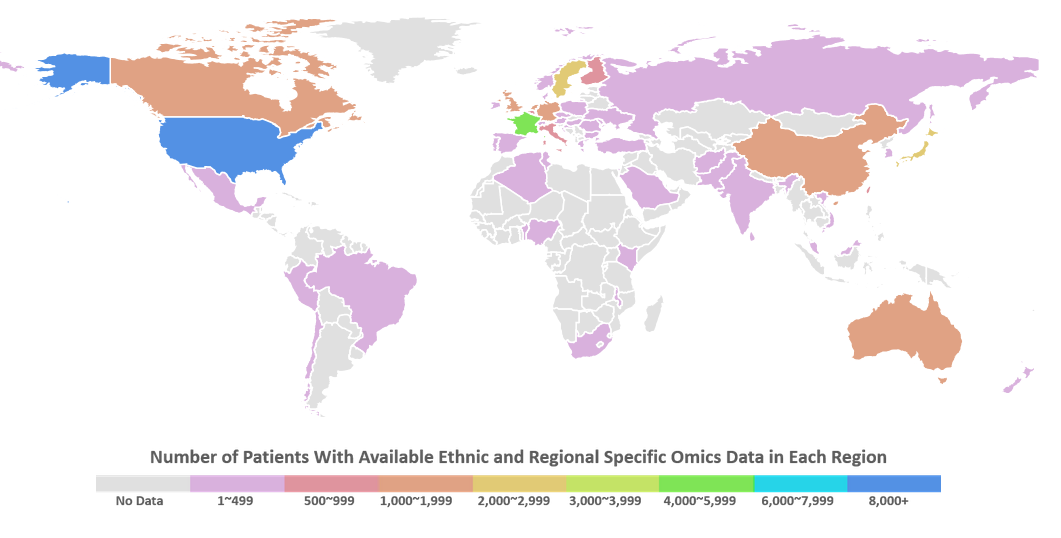 HEROD: a human ethnic and regional specific omics database.
X. Zeng, L. Tao, P. Zhang, C. Qin, S. Chen, W. He, Y. Tan, H. X. Liu, S. Y. Yang, Z. Chen, Y. Y. Jiang, Y. Z. Chen. Bioinformatics. doi: 10.1093/bioinformatics/btx340 (2017).
PubMed
HEROD: a human ethnic and regional specific omics database.
X. Zeng, L. Tao, P. Zhang, C. Qin, S. Chen, W. He, Y. Tan, H. X. Liu, S. Y. Yang, Z. Chen, Y. Y. Jiang, Y. Z. Chen. Bioinformatics. doi: 10.1093/bioinformatics/btx340 (2017).
PubMed
|
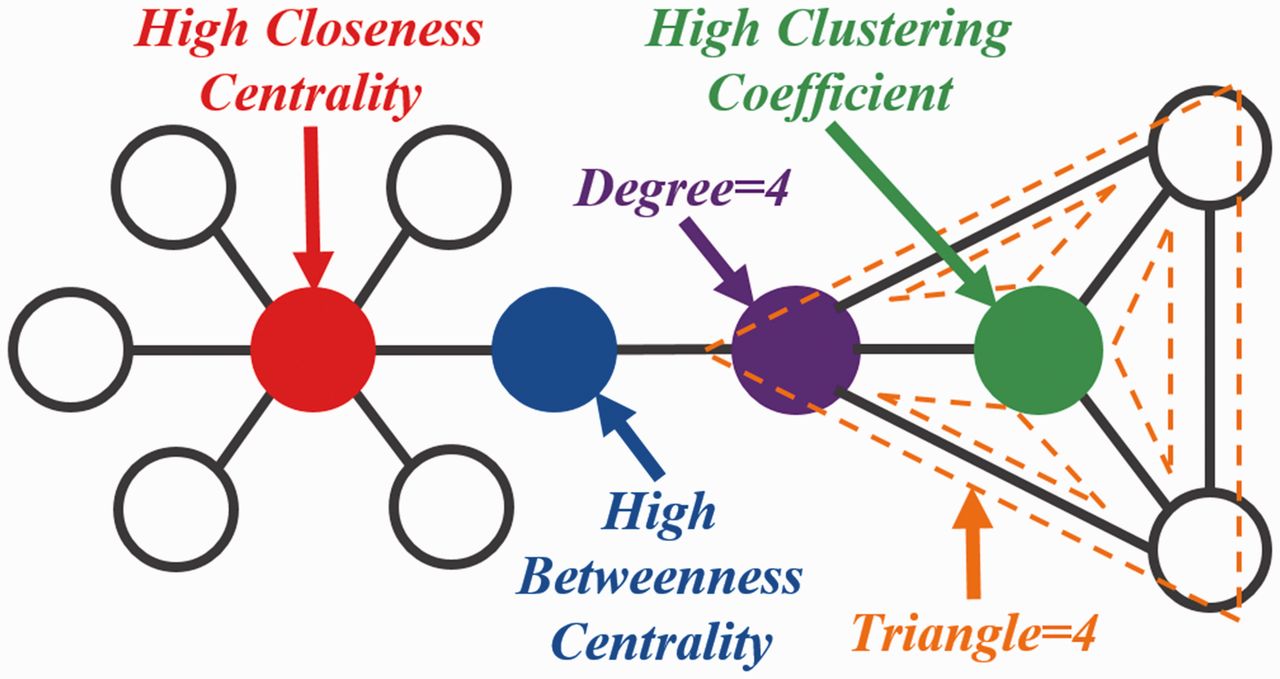 A protein network descriptor server and its use in studying protein, disease, metabolic and drug targeted networks.
P. Zhang, L. Tao, X. Zeng, C. Qin, S.Y. Chen, F. Zhu, Z.R. Li, Y.Y. Jiang, W.P. Chen, Y.Z. Chen. Brief Bioinform. pii: bbw071 (2016).
PubMed
A protein network descriptor server and its use in studying protein, disease, metabolic and drug targeted networks.
P. Zhang, L. Tao, X. Zeng, C. Qin, S.Y. Chen, F. Zhu, Z.R. Li, Y.Y. Jiang, W.P. Chen, Y.Z. Chen. Brief Bioinform. pii: bbw071 (2016).
PubMed
|
 Nature's contribution to today's pharmacopeia.
L. Tao, F. Zhu, C. Qin, C. Zhang, F. Xu, C.Y. Tan, Y.Y. Jiang, Y.Z. Chen. Nat Biotechnol. 32(10):979-80 (2014).
PubMed
Nature's contribution to today's pharmacopeia.
L. Tao, F. Zhu, C. Qin, C. Zhang, F. Xu, C.Y. Tan, Y.Y. Jiang, Y.Z. Chen. Nat Biotechnol. 32(10):979-80 (2014).
PubMed
|
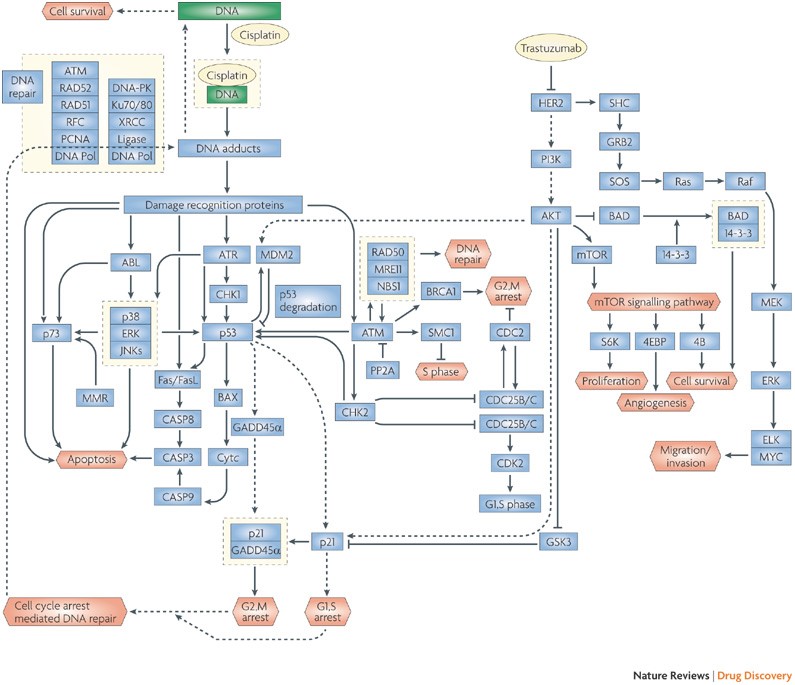 Mechanisms of drug combinations from interaction and network perspectives.
J. Jia, F. Zhu, X.H. Ma, Z.W. Cao, Y.X. Li and Y.Z. Chen. Nat. Rev. Drug Discov. 8(2):111-28(2009).
PubMed
Mechanisms of drug combinations from interaction and network perspectives.
J. Jia, F. Zhu, X.H. Ma, Z.W. Cao, Y.X. Li and Y.Z. Chen. Nat. Rev. Drug Discov. 8(2):111-28(2009).
PubMed
|

Patents
- Method and apparatus for computer automated detection of protein and nucleic acid targets of a chemical compound. US Patent 6,519,611 B1
- Biological pathway and molecular simulation method. U.S. Regular Patent Application No.: 10/674,586.
- Method and information system for the benefits and consumption of natural products. U.S. Provisional Application No. 60/512,479.
Collaborations